
How Much Does a Suez Canal Transit Cost? Tolls, Surcharges & PDA Explained
Reviewed by Max Marine Operations
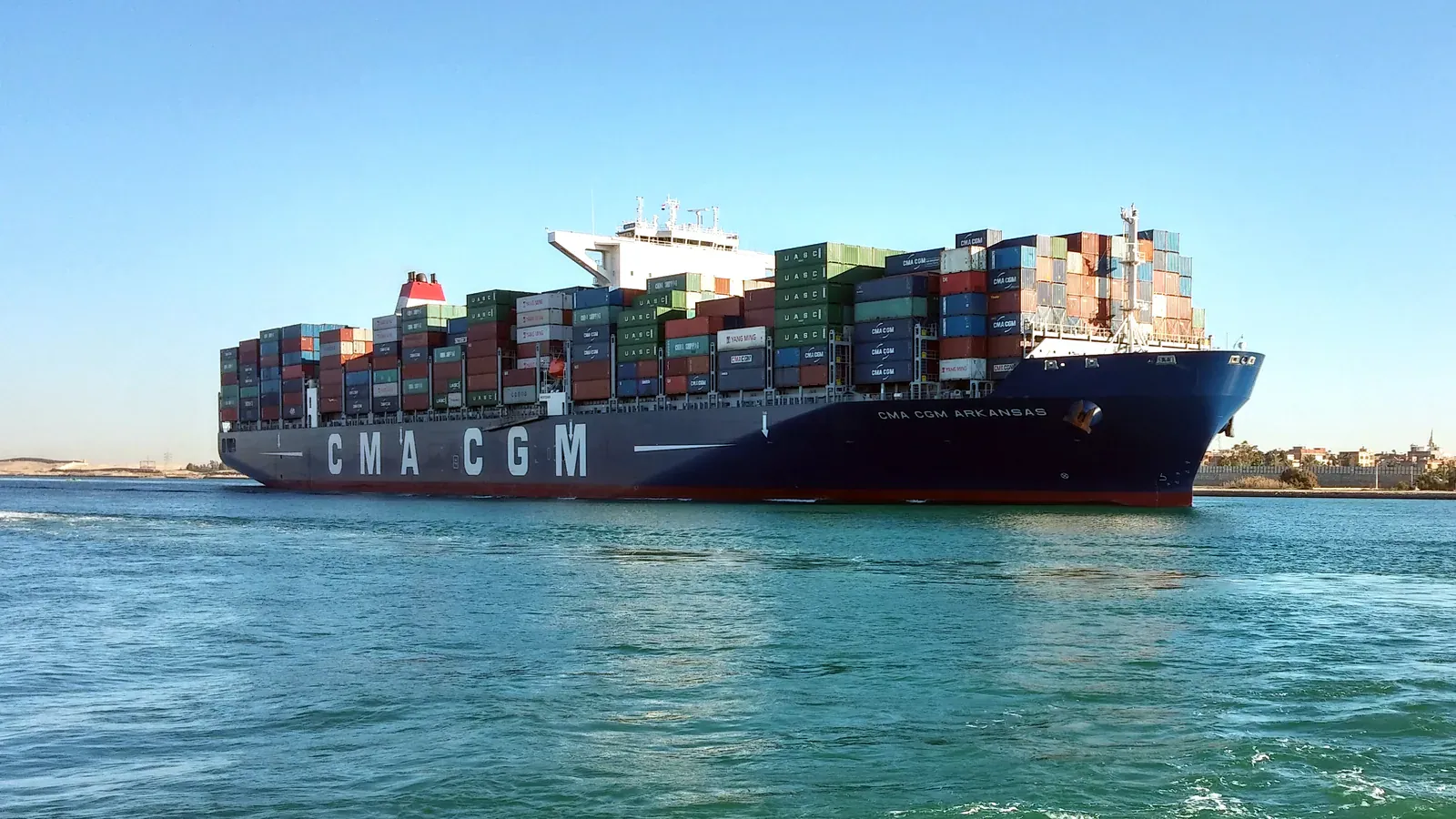
"How much will the canal cost?" is the first question on every Suez passage, and the honest answer is: it depends on the vessel, the direction and the SCA circular in force that week. Here is how the number is actually built, so you can plan the voyage without a surprise on the PDA.
The number is built from tonnage, not length
Suez Canal dues are calculated on the vessel's Suez Canal Net Tonnage (SCNT), a figure from the vessel's Suez Canal Tonnage Certificate, not the same as GT or NT on the general tonnage certificate. The Suez Canal Authority (SCA) applies a sliding scale of Special Drawing Rights (SDR) per SCNT band, which converts to US dollars at the SDR rate on the transit date. Two vessels of similar size can pay materially different dues if their SCNT or laden/ballast status differ.
Base dues, then the surcharge on top
On top of the base transit dues, the SCA applies temporary surcharges that vary by vessel class and are revised periodically. A set of periodicals issued in June 2026 revised those surcharges for transits beginning on or after 15 July 2026, covering crude oil and product tankers, LNG and LPG carriers, chemical tankers, dry bulk carriers, container ships and vehicle carriers. Laden crude oil and petroleum product tankers took the steepest increase, to 37 per cent; passenger vessels were left outside the increase. Confirm the exact category and the periodical in force before relying on a figure in a voyage estimate.
What else sits inside the PDA
The canal dues are the largest line, but the Proforma Disbursement Account (PDA) an agent issues covers the full transit, typically including:
- Suez Canal transit dues (SCNT × SDR band, converted to USD)
- SCA surcharge for the vessel class and voyage condition
- Canal transit-related services, pilotage, tugs and mooring where applicable
- Agency fee and attendance at Port Said and/or Suez
- Bank charges, communication and out-of-pocket disbursements
- Any husbandry requested during the transit window, crew, stores, spares
Where operators lose money, and where they save it
Two things move the final number more than most owners expect. The first is the Suez Canal Tonnage Certificate itself: an out-of-date or unfavourable certificate can inflate SCNT and every transit that follows. The second is rebate eligibility. The SCA periodically publishes rebate circulars for specific trades, routes and vessel types; they change often and are easy to miss. A file reviewed against the current circulars before the vessel commits is where canal money is either captured or left on the table.
How to get an accurate figure before you commit
Send the vessel particulars, name, IMO, SCNT from the Suez Canal Tonnage Certificate, transit direction, ETA and laden or ballast condition. From that, an operations desk can issue a reviewed PDA against the current circular, flag rebate eligibility, and confirm the surcharge that actually applies. For a quick indicative figure to plan around, use the transit calculator on our Suez Canal service page, then send particulars for the reviewed number.
Want the number for your vessel?
Run the transit estimator on our Suez Canal page for an indicative figure, then send vessel particulars and transit direction for a reviewed PDA against the current SCA circular, with any rebate you're eligible for flagged.
Common questions
Sources and review basis
Source status: rates checked against the applicable Suez Canal Authority periodicals issued in June 2026 and effective for transits from 15 July 2026. Operators should confirm the periodical in force on the actual transit date.
Related guides
Related services