
Suez Canal Convoy Schedule & Transit Timing Explained
Reviewed by Max Marine Operations
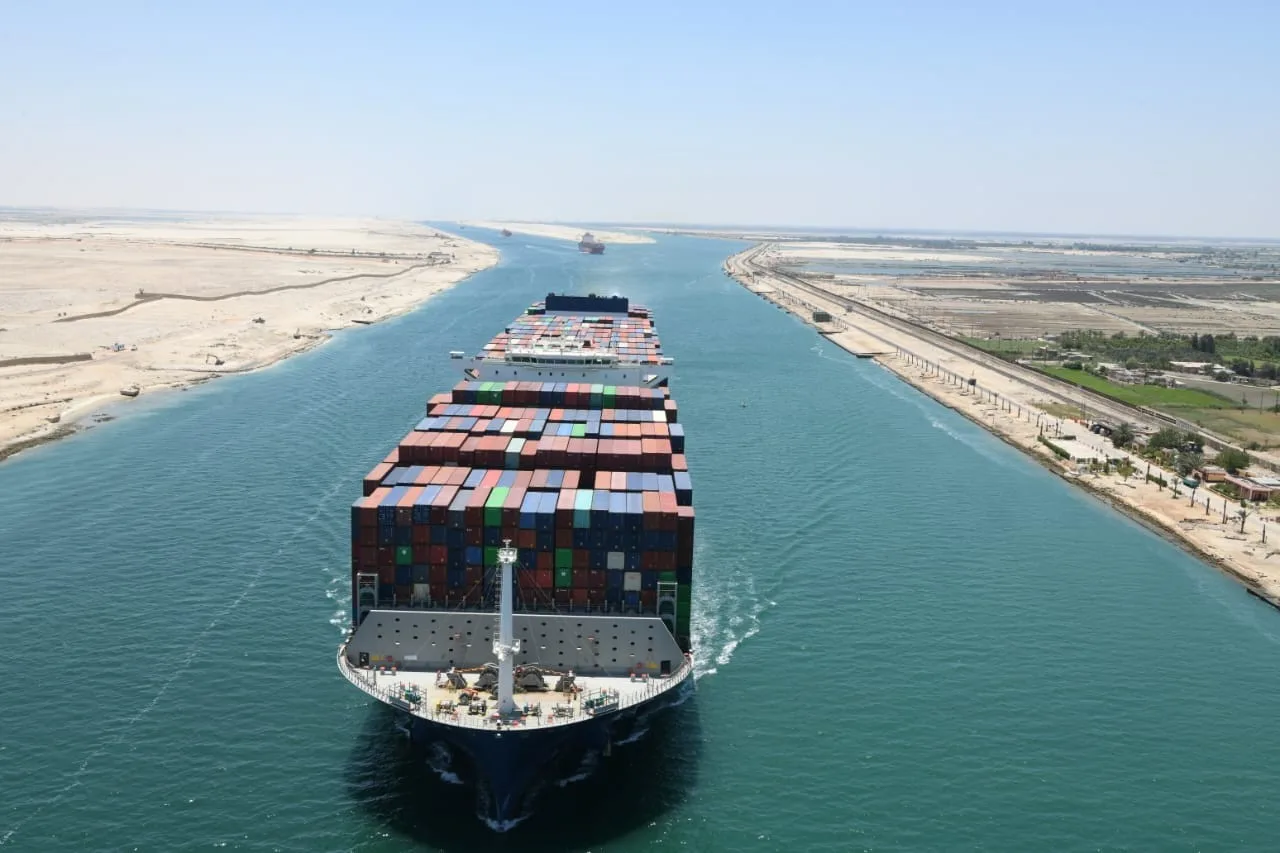
The Suez Canal doesn't run vessels through one at a time, it runs them in convoys on a daily rhythm. Understanding that rhythm is the difference between a vessel that slots into the next convoy and one that waits a day at anchorage burning fuel and time.
One canal, two directions, scheduled convoys
The canal operates a convoy system: groups of vessels transit together in the same direction rather than continuously in both. In practice there is a southbound convoy and a northbound convoy each day, formed at scheduled assembly times at Port Said (north) and Suez (south). The exact timing and number of convoys is set by the Suez Canal Authority and can change with traffic, so it should always be confirmed for your transit date rather than assumed.
How long does a transit take?
The canal itself is roughly 190 km, and the through-transit typically takes in the order of 11 to 16 hours steaming, depending on the vessel and convoy. But the number owners should plan around is longer than the steaming time: it includes arrival and anchorage before the convoy forms, boarding of the pilot, the transit, and disembarkation at the far end. Missing the assembly cut-off means waiting for the next convoy, which is why arrival timing, not just steaming speed, drives the schedule.
What decides whether you make the convoy
- Arrival at the assembly anchorage before the convoy's cut-off time
- A complete transit file, Suez Canal Tonnage Certificate, particulars, funding in place
- Pilotage and, where required, tug and mooring arranged in advance
- Any special conditions (draught, cargo, dimensions) cleared with the SCA
- Nomination of the agent early enough to prepare all of the above
Why timing is an agency problem, not just a nautical one
A vessel can steam to the anchorage on time and still miss a convoy if the paperwork or funding isn't ready. The agent's job is to have the transit file complete and the PDA settled so that the moment the vessel arrives, nothing administrative holds it back. Nominate early, share the ETA and particulars, and the transit is planned around the convoy rather than chasing it.
Timing a Suez Canal transit?
Send the vessel particulars and ETA. We'll prepare the transit file, settle the PDA and plan the vessel into the right convoy.
Common questions
Related guides
Related services